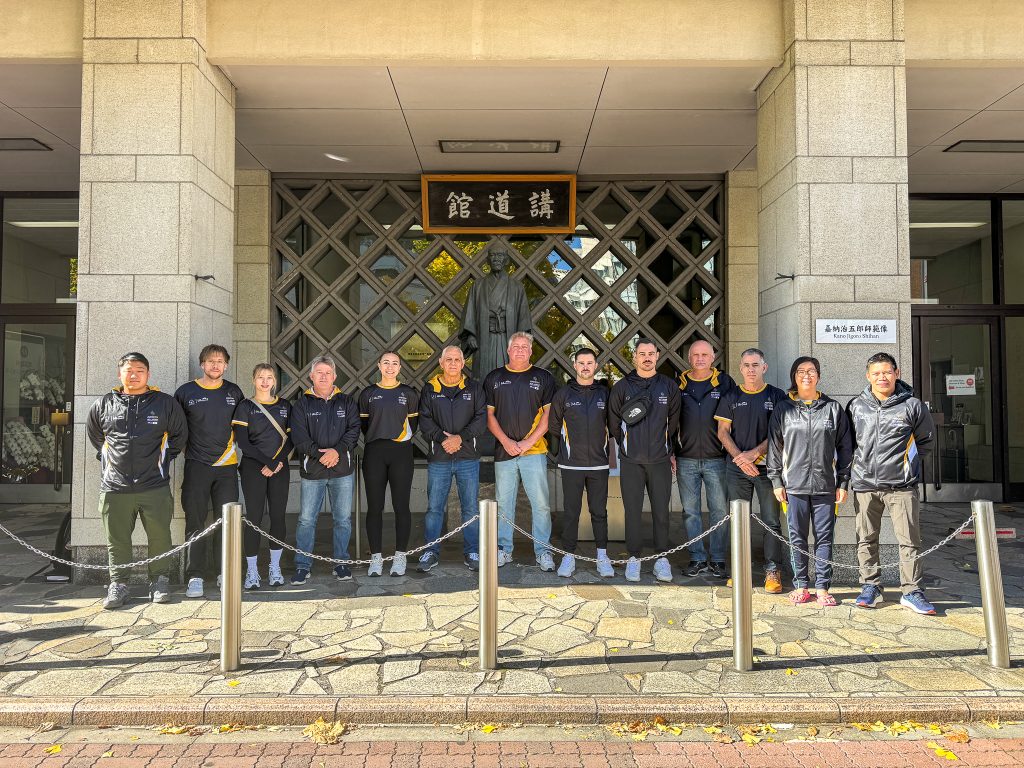
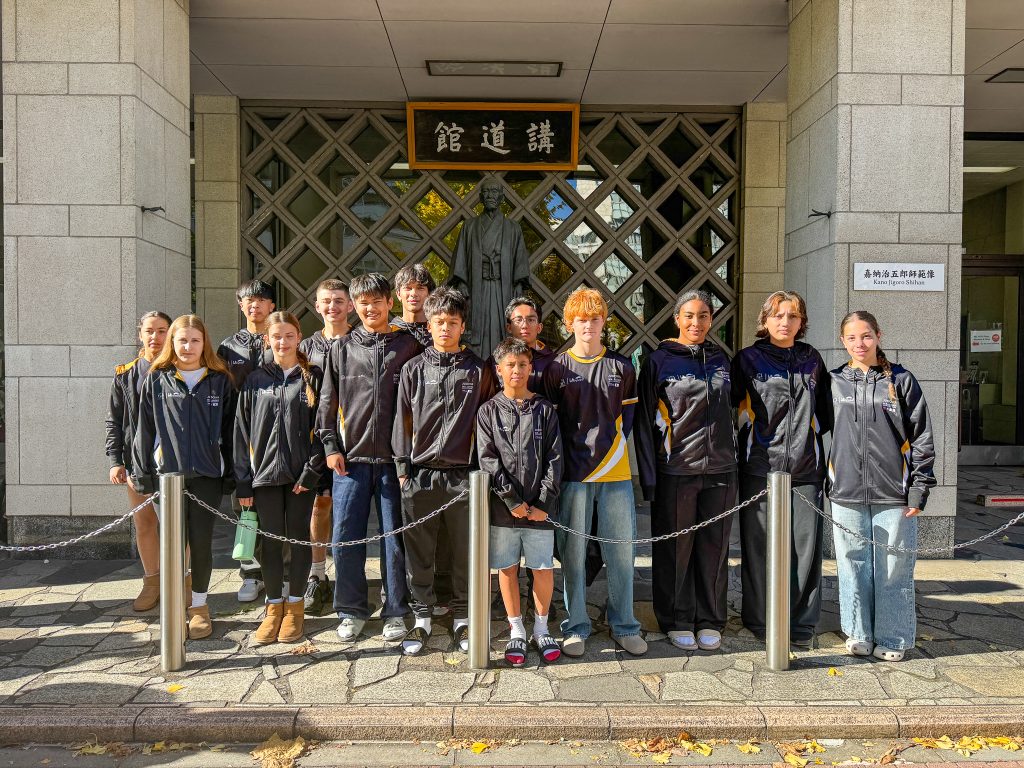
Judo Western Australia has successfully delivered the latest stage of its WA-Japan Judo Exchange Program, with 14 coaches and 15 young athletes travelling to Japan in December 2025 as part of the program’s Year 2 activities.
The program formed part of Judo WA’s broader Asian Engagement Project and supported the organisation’s long-term objective of strengthening sporting, cultural, educational and community connections between Western Australia and Japan through judo. The Year 2 project included a focus on both athlete development and coach development.
The program was structured to provide distinct development opportunities for young athletes and coaches, while also creating shared learning moments between the two groups. The athlete program focused primarily on direct training experiences in Japanese judo environments, while the coach program focused on observation, professional reflection, technical discussion and strategic learning.
Coach Development Program
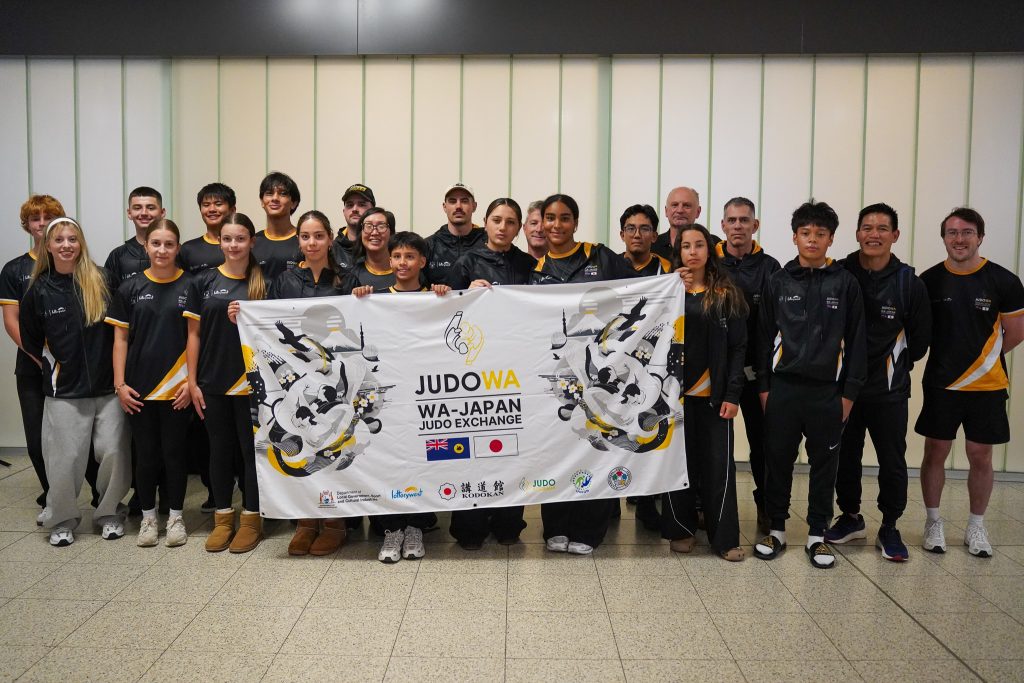
The 14 participating coaches undertook a coach development program designed to strengthen their understanding of Japanese judo systems, coaching methods and athlete development environments. While the coaches were not always directly involved in the athlete training sessions, they were able to observe the young athletes training at various points throughout the program.
These observation opportunities allowed the coaches to see how Western Australian athletes adapted to Japanese training environments and to reflect on differences in coaching style, session structure, technical expectations, intensity and athlete behaviour. This provided a valuable professional development opportunity, enabling coaches to consider how elements of the Japanese approach could be adapted to support club and athlete development in Western Australia.
The coach program also included a WA Coaches Round Table, where participating coaches took the opportunity to discuss the current state of judo in Western Australia. This session provided a valuable platform for coaches to reflect on the strengths, challenges and future opportunities for judo development across WA.
The WA Coaches Round Table included discussion on athlete development, coach education, club environments, technical standards, participation pathways and how lessons from the Japanese judo system could be applied in the Western Australian context. This reflective component helped ensure that the benefits of the tour extended beyond the participants themselves and could contribute to broader strategic thinking across the WA judo community.
Athlete Development Program
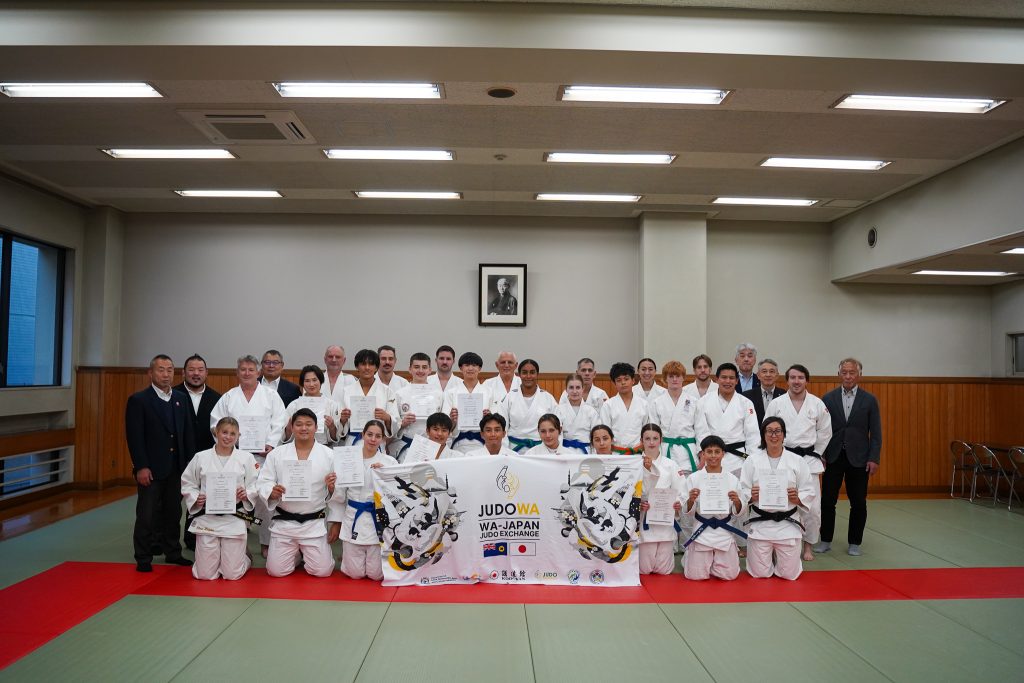
The 15 young athletes primarily trained at the Kodokan Judo Institute in Tokyo, which is internationally recognised as the home of judo and continues to play a central role in preserving, developing and promoting the technical, historical and educational foundations of the sport.
The Kodokan component of the athlete program included structured technical instruction, practical training sessions, observation opportunities and cultural learning. Athletes were exposed to a range of technical areas including nage-waza, katame-waza, kata, basic movement and safety instruction, as well as the broader etiquette, discipline and values that underpin judo in Japan.
In addition to the Kodokan program, the athletes also took part in a three-day training camp with Toin High School and completed two days of training with Komazawa High School. These school-based training experiences were a significant component of the exchange, giving Western Australian athletes the opportunity to train alongside Japanese students and experience the intensity, discipline and structure of Japan’s school-based judo environment.
The opportunity to train at Toin High School and Komazawa High School gave athletes direct exposure to the role that judo plays within Japanese education and youth development. These sessions provided valuable learning opportunities, including insight into training volume, session structure, technical repetition, team culture, discipline and respect within Japanese judo programs.
Shared Program Highlights
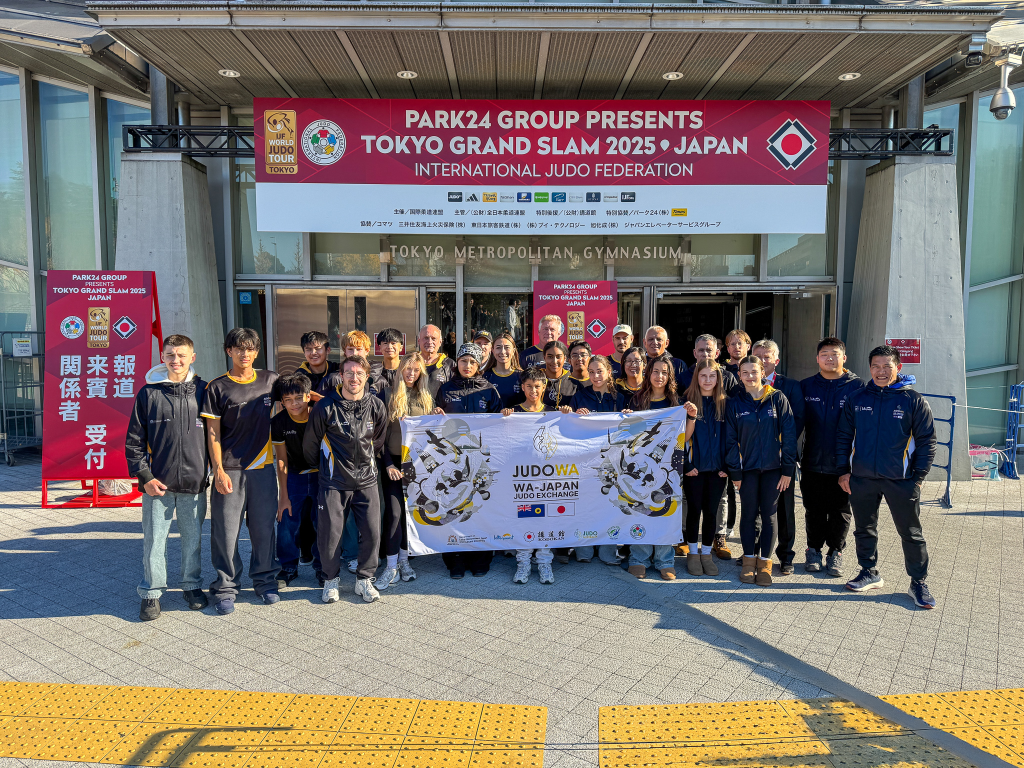
A major highlight of the program was the opportunity for the full group to attend the Tokyo Grand Slam, one of the premier events on the International Judo Federation World Judo Tour. Watching the Tokyo Grand Slam gave both athletes and coaches the chance to observe world-class athletes competing at the highest level and to better understand the technical, tactical and professional standards of international judo.
For the athletes, attending the Tokyo Grand Slam was an inspiring opportunity to connect their own training experiences with the broader international judo pathway. For the coaches, it provided a valuable opportunity to observe high-performance trends, competition behaviours and the standards required at the elite end of the sport.
A significant element of Judo WA’s Asian Engagement Project has been the development of a relationship with the Kodokan Judo Institute. Judo WA’s relationship with the Kodokan provides an important framework for future cooperation, including training and technical exchange, coach and official development, athlete pathway opportunities, cultural exchange and the promotion of friendship between the Western Australian and Japanese judo communities.
Judo WA Chief Executive Officer Jacob Read said the program had provided valuable development and relationship-building outcomes for both the young athletes and coaches who participated.
“Having 14 coaches and 15 young athletes take part in this program was a significant step forward for Judo WA’s Asian engagement work,” Mr Read said.
“It was important that the program provided distinct development opportunities for both groups. The athletes were able to experience the intensity and discipline of Japanese judo through training at the Kodokan, Toin High School and Komazawa High School, while the coaches were able to observe, reflect and discuss how these learnings could support judo development back home in Western Australia.”
“From time to time, the coaches were also able to observe our athletes training, which was incredibly valuable. It allowed them to see how WA athletes responded to the Japanese training environment and consider what we can do in our own clubs to better prepare athletes for these types of experiences.”
“The WA Coaches Round Table was a really important part of the program. It gave our coaches the opportunity to have honest and constructive discussions about the current state of judo in Western Australia, the challenges we face, and the opportunities we have to keep improving.”
“The relationship with the Kodokan is particularly important. The Kodokan represents the history and values of judo, and strengthening our connection with such an important institution helps position Western Australia as an active and engaged partner in the international judo community.”
The tour also reinforced the strong cultural and educational values of judo. Participants experienced Japanese customs, training etiquette and the broader role that judo plays in schools, universities and community life. This cultural exchange element is an important part of the program, helping participants develop not only as athletes and coaches, but also as representatives of Western Australia.
In addition to the outbound exchange, the program supports Judo WA’s longer-term plans to welcome Japanese athletes, coaches, officials and administrators to Western Australia for training camps, seminars, competitions and cultural exchange activities. By building direct relationships with Japanese judo institutions, Judo WA aims to create a sustainable program model that supports regular outbound and inbound exchanges in future years.
The program also helps address some of the challenges created by Western Australia’s geographic isolation. By strengthening links with Japan and the broader Asian judo community, Judo WA can help create more accessible development opportunities for local participants, while promoting Western Australia as a destination for sport, education, tourism and cultural exchange.
The WA-Japan Judo Exchange Program continues to demonstrate the value of sport as a platform for international friendship, education and community connection. Through ongoing engagement with Japanese partners, including the Kodokan, Toin High School, Komazawa High School and other judo institutions, Judo WA will continue working to build sustainable opportunities for athletes, coaches, officials, clubs and the wider judo community.
The WA Government through the Department of Creative Industries, Tourism and Sport and Lotterywest are major supporters of Judo Western Australia and the WA-Japan Judo Exchange Program in Western Australia. Sport and recreation creates vibrant, inclusive and connected WA communities.
Judo WA thanks all participants, coaches, families, Japanese partner institutions and supporters who contributed to the successful delivery of the program. The organisation looks forward to continuing to build on these relationships and creating further opportunities for Western Australian athletes, coaches, officials and clubs to engage with Japan and the broader Asian judo community in future years.