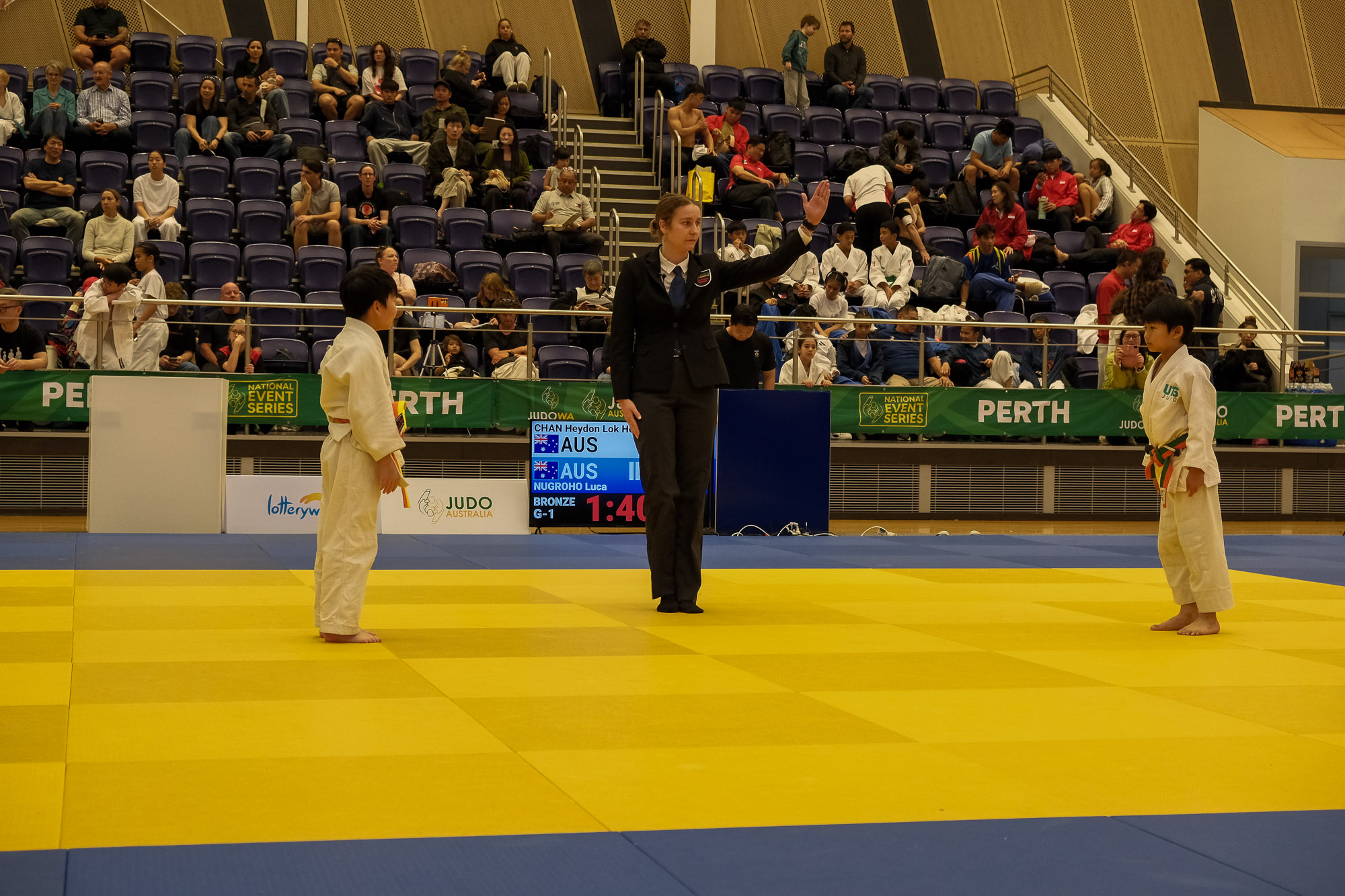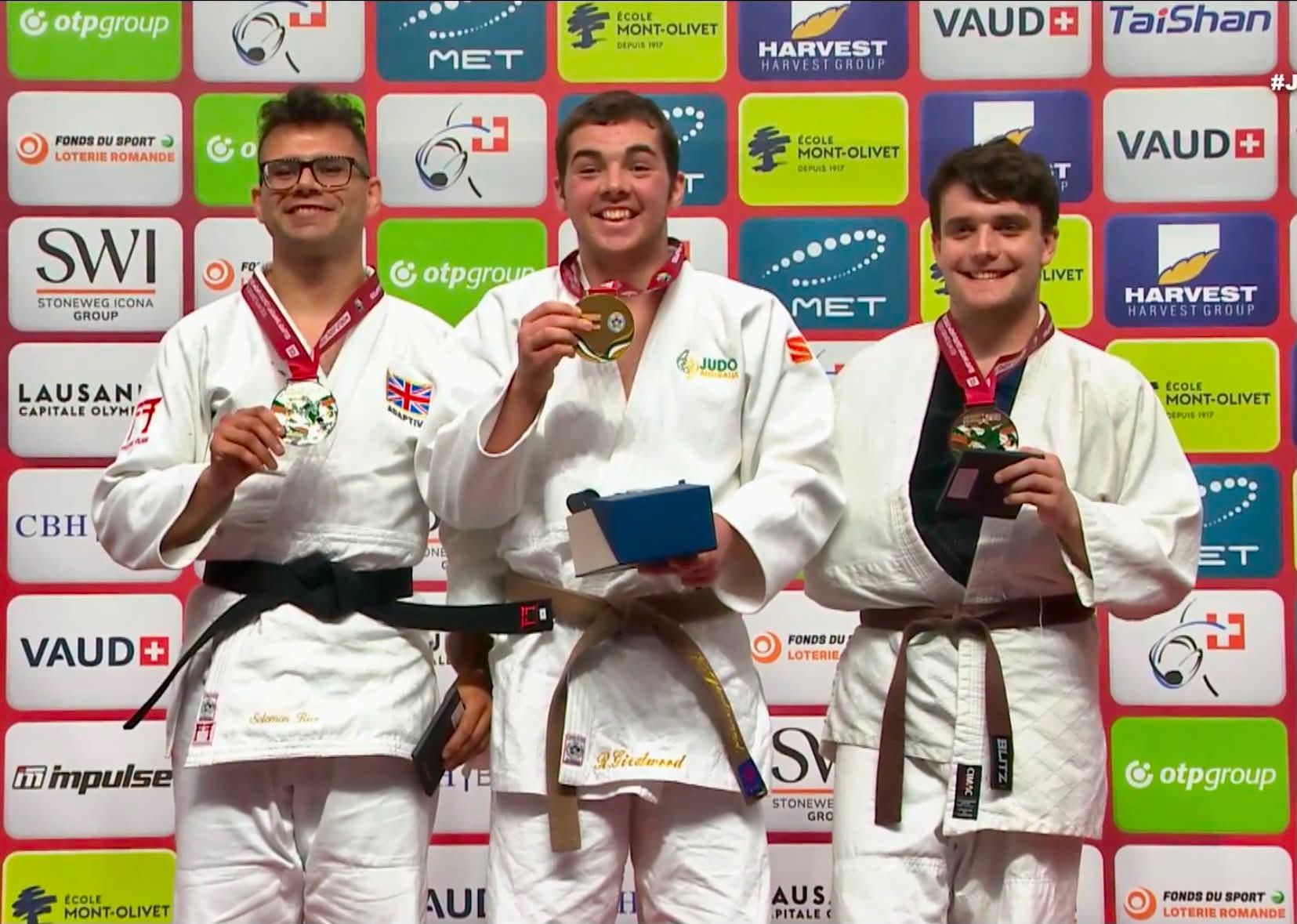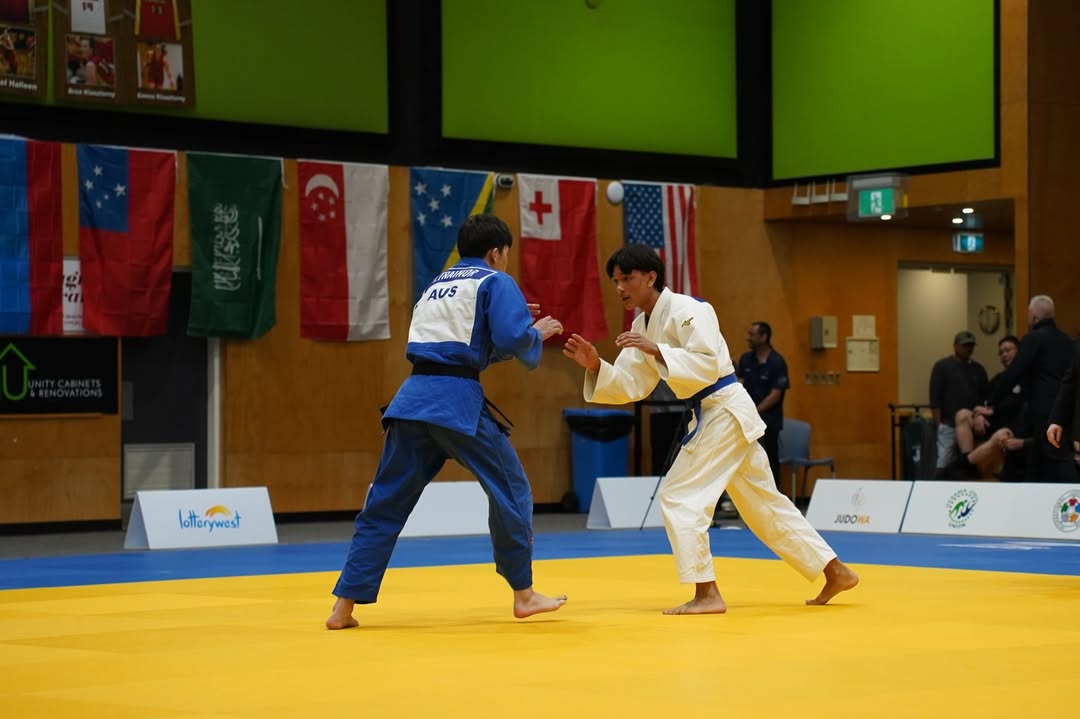
The next generation of international judoka took centre stage on Sunday, 3 May, as the Cadet and Junior Mandurah Oceania Cups brought the 2026 competition weekend to a close at the Mandurah Aquatic and Recreation Centre.
Following Saturday’s senior competition, Day 2 featured 94 athletes across the two age groups and provided developing competitors with an important opportunity to gain international experience in Western Australia.
The day began with 41 cadets from seven countries before 53 junior athletes from nine countries took to the tatami. Competitors represented nations from across Oceania, Asia, Europe and the Americas, underlining the growing international reach of the Mandurah event.
Australia Leads the Cadet Competition
Australia delivered a commanding performance in the Cadet Oceania Cup, finishing first on the medal table with eight gold, four silver and four bronze medals.
Hong Kong China placed second with two gold and one bronze, while Mexico finished third with one silver and one bronze.
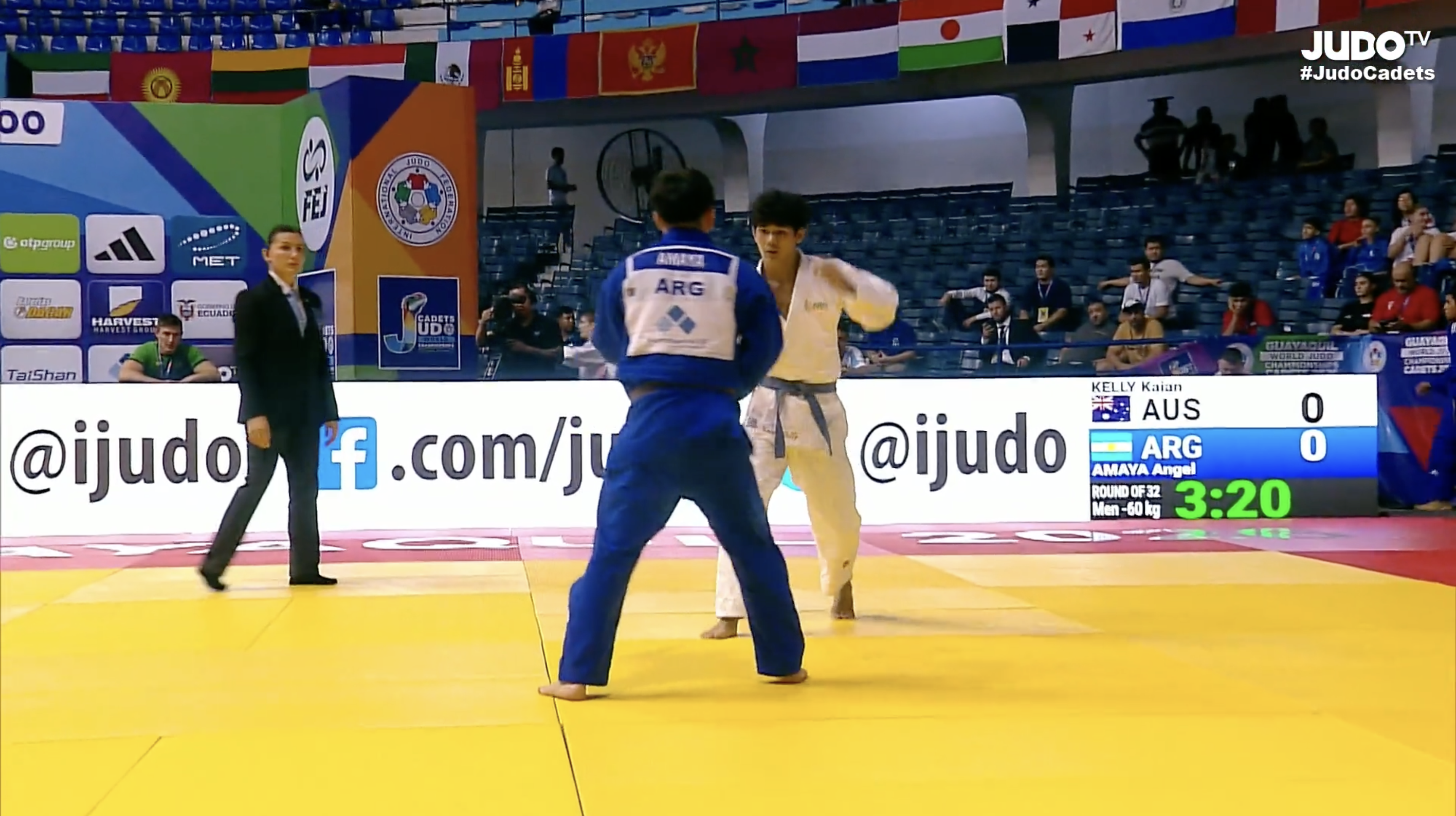
Australian cadet titles were won by Joshua Coetzee, Kaian Kelly, Isaac Chinchilla, Jacob Ong, Pio Lee, Abbey Cook, Mia Siboni and Western Australia’s Kayla Nae.
Full Cadet Standings
| Rank | Nation | Gold | Silver | Bronze | Total medals | 5th | 7th |
|---|---|---|---|---|---|---|---|
| 1 | Australia | 8 | 4 | 4 | 16 | 2 | 0 |
| 2 | Hong Kong China | 2 | 0 | 1 | 3 | 0 | 0 |
| 3 | Mexico | 0 | 1 | 1 | 2 | 0 | 0 |
| 4 | Russian Federation | 0 | 1 | 0 | 1 | 0 | 0 |
| 4 | Singapore | 0 | 1 | 0 | 1 | 0 | 0 |
| 6 | New Caledonia | 0 | 0 | 1 | 1 | 0 | 0 |
| 7 | Saudi Arabia | 0 | 0 | 0 | 0 | 1 | 0 |
Cadet Champions
| Division | Gold medallist | Nation |
|---|---|---|
| Cadet Men −50kg | Joshua Coetzee | Australia |
| Cadet Men −55kg | Ka Fung Cheung | Hong Kong China |
| Cadet Men −60kg | Kaian Kelly | Australia |
| Cadet Men −66kg | Isaac Chinchilla | Australia |
| Cadet Men −73kg | Jacob Ong | Australia |
| Cadet Men −81kg | Pio Lee | Australia |
| Cadet Women −44kg | Hok Sum Tsang | Hong Kong China |
| Cadet Women −48kg | Abbey Cook | Australia |
| Cadet Women −52kg | Mia Siboni | Australia |
| Cadet Women +70kg | Kayla Nae | Australia |
Host Nation Also Tops Junior Medal Table
Australia continued its success in the Junior Oceania Cup, finishing first with seven gold, three silver and five bronze medals.
Hong Kong China placed second with one gold, two silver and one bronze, followed by New Zealand with one gold and one silver. Great Britain also secured a junior title.
Australian junior gold medallists included Crosby Peake, Jake Bell, Oren Kelly, Kyle Johnston, Bianca Tandean, Abbey Cook and Kayla Nae.
Full Junior Standings
| Rank | Nation | Gold | Silver | Bronze | Total medals | 5th | 7th |
|---|---|---|---|---|---|---|---|
| 1 | Australia | 7 | 3 | 5 | 15 | 3 | 2 |
| 2 | Hong Kong China | 1 | 2 | 1 | 4 | 0 | 1 |
| 3 | New Zealand | 1 | 1 | 0 | 2 | 0 | 0 |
| 4 | Great Britain | 1 | 0 | 0 | 1 | 0 | 0 |
| 5 | Saudi Arabia | 0 | 1 | 0 | 1 | 0 | 0 |
| 6 | Singapore | 0 | 0 | 1 | 1 | 1 | 0 |
| 7 | Mexico | 0 | 0 | 0 | 0 | 1 | 0 |
| 7 | New Caledonia | 0 | 0 | 0 | 0 | 1 | 0 |
| 9 | Russian Federation | 0 | 0 | 0 | 0 | 0 | 0 |
Junior Champions
| Division | Gold medallist | Nation |
|---|---|---|
| Junior Men −60kg | Laurence Hill | Great Britain |
| Junior Men −66kg | Crosby Peake | Australia |
| Junior Men −73kg | Jake Bell | Australia |
| Junior Men −81kg | Kyle Johnston | Australia |
| Junior Men −90kg | Alexander Brown | New Zealand |
| Junior Women −48kg | Abbey Cook | Australia |
| Junior Women −52kg | Wai Sum Lau | Hong Kong China |
| Junior Women −57kg | Oren Kelly | Australia |
| Junior Women −63kg | Bianca Tandean | Australia |
| Junior Women +78kg | Kayla Nae | Australia |
Double Gold for Western Australia’s Kayla Nae
One of the standout performances of Day 2 came from SouthWest Judo Academy’s Kayla Nae, who won gold in both the Cadet Women’s over 70kg and Junior Women’s over 78kg divisions.
The double victory delivered two international titles for the Western Australian athlete in a single day and provided a memorable home-state result for the WA judo community.
Day 2 also produced valuable experience for the other Western Australian athletes who stepped onto the international tatami. Competing at an Oceania Cup without having to travel interstate or overseas is a significant opportunity for the state’s developing judoka, allowing them to face new opponents and become familiar with the standards and processes of international competition.
An Important Development Opportunity
The Cadet and Junior Oceania Cups form an important part of the athlete pathway. They give emerging judoka the opportunity to compete for international ranking points, test their skills against athletes from different systems and build experience that can support future selection and international campaigns.
Bringing these events to Mandurah makes that opportunity more accessible to Western Australian athletes while attracting strong visiting teams to the state.
Judo WA congratulates every athlete who competed across the cadet and junior divisions, along with their coaches, families and team officials.
Judo WA sincerely thanks the City of Mandurah and Visit Mandurah for supporting international judo in Western Australia and helping welcome visiting delegations to the city.
Judo WA also acknowledges Judo Australia, the Oceania Judo Union, the International Judo Federation, the Mandurah Aquatic and Recreation Centre team, and the referees, officials and volunteers whose work allowed the final day to run successfully.
View the complete cadet results and complete junior results on the IJF website.