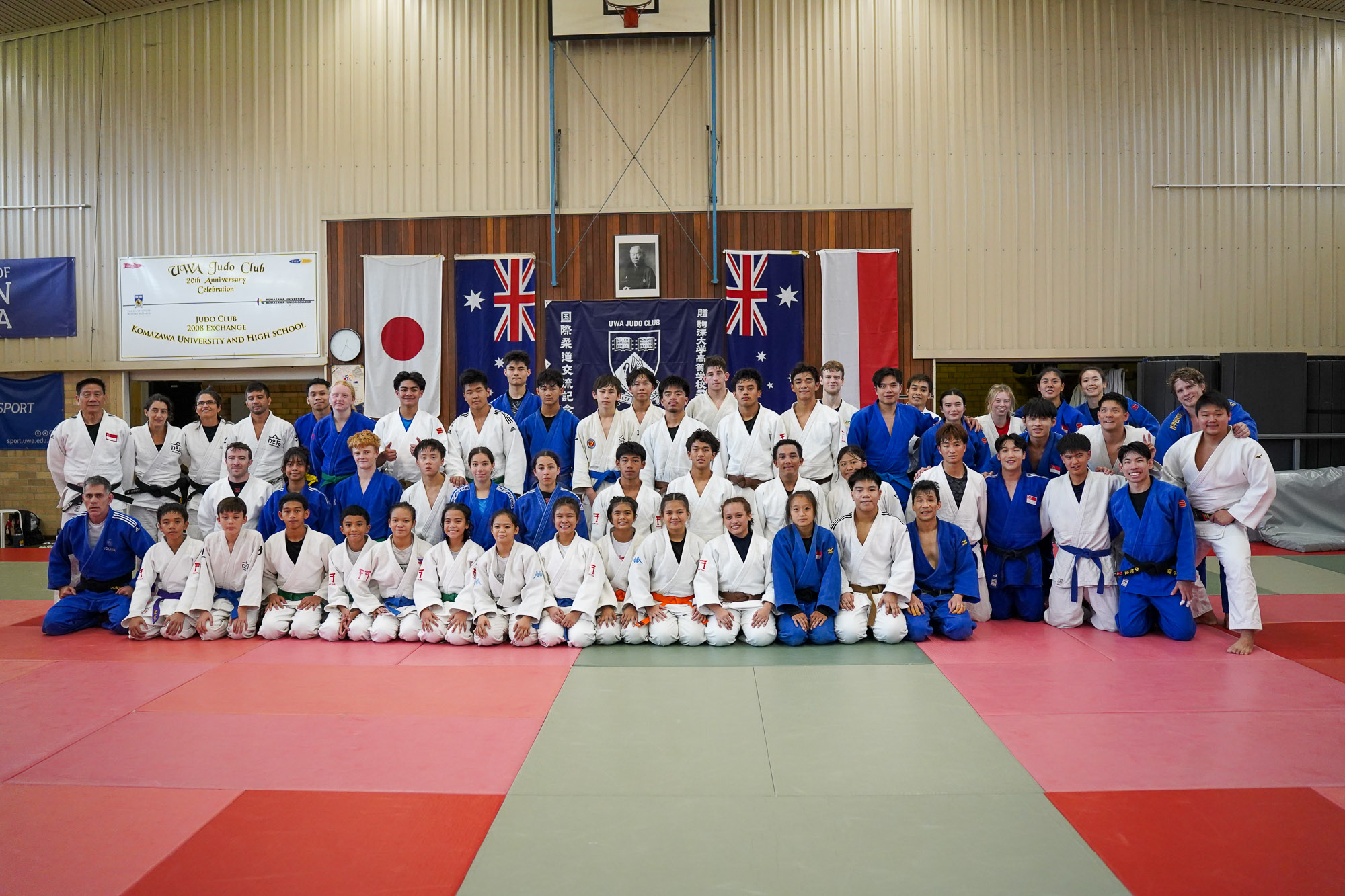
The 2026 Perth International Open weekend concluded on Sunday, 13 September, with a major post-event training camp at UWA Judo Club, bringing Western Australian athletes back onto the mat alongside visiting judoka from Vietnam, the Philippines and Singapore.
Across three sessions for U15, Cadet and older athletes, the camp recorded approximately 148 session attendances. The strong turnout demonstrated the value of extending the Perth International Open beyond competition and creating an additional opportunity for athletes to learn, train and build relationships through judo.
Three sessions for developing and senior athletes
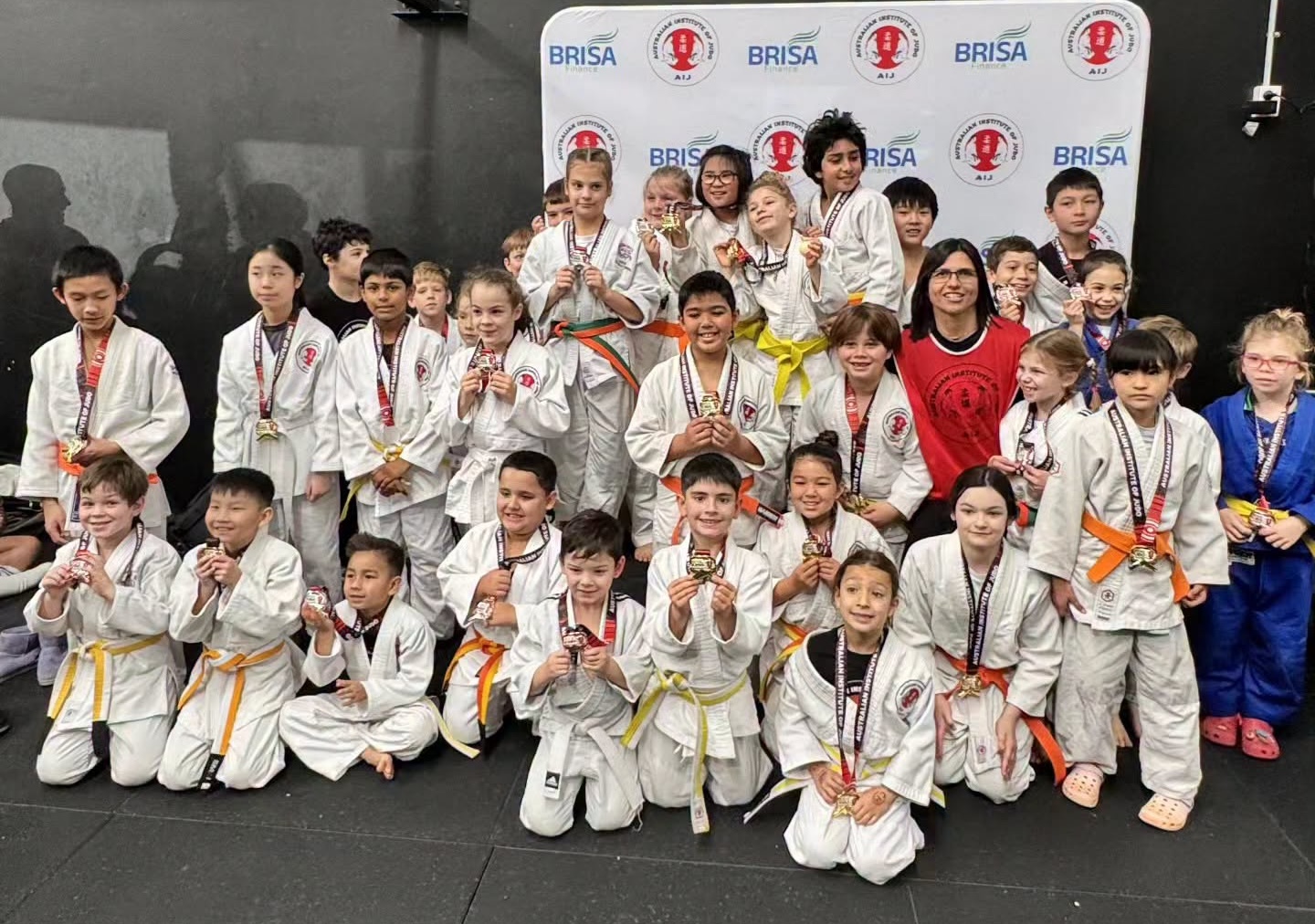
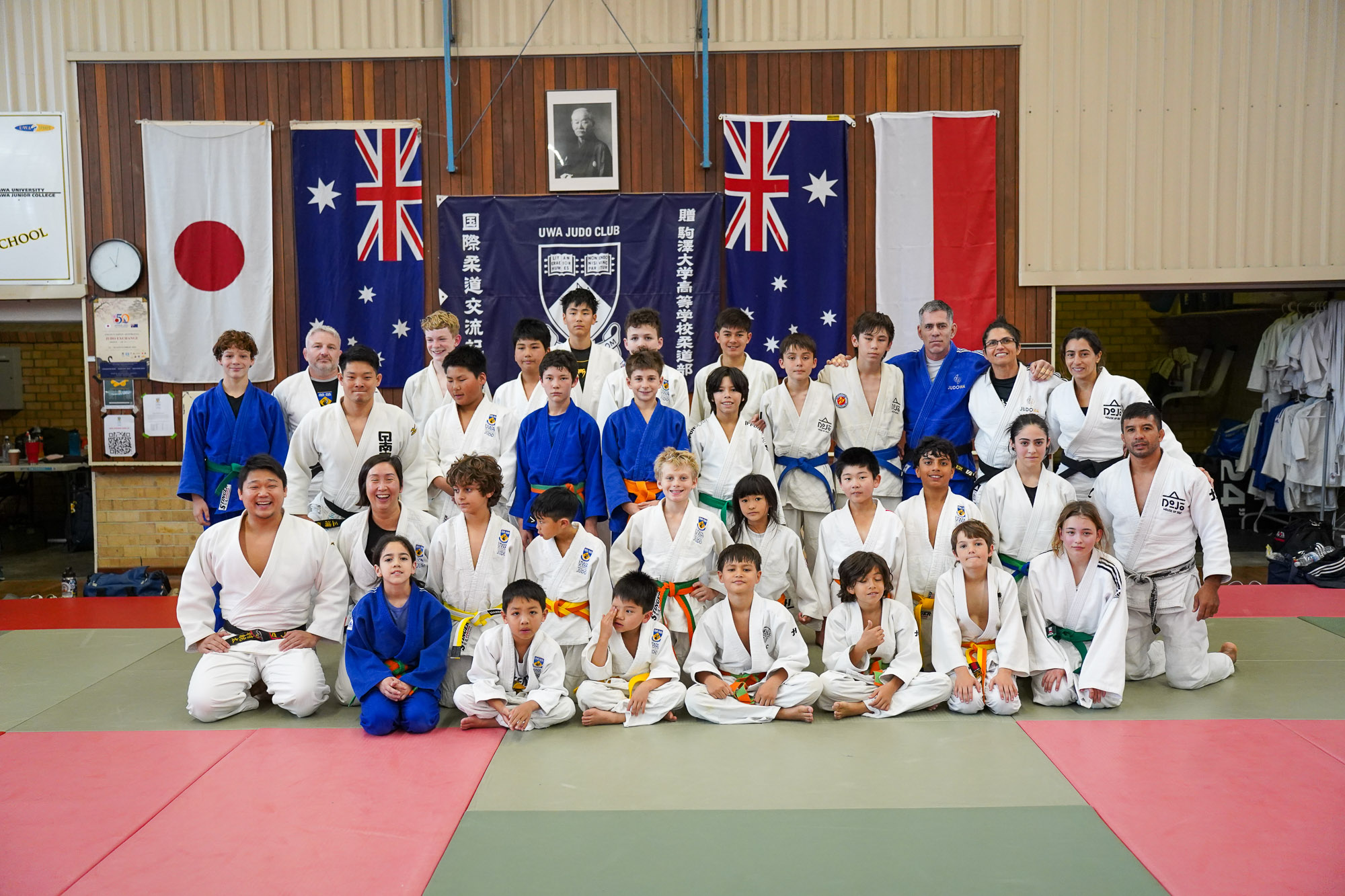
The day began with a dedicated U15 session from 9:00am to 11:00am. Approximately 38 young judoka took part, including four members of the visiting Vietnamese team. For many developing athletes, the session provided a rare opportunity to train with international peers in their own state and to continue learning after watching and competing in the Perth International Open the previous day.
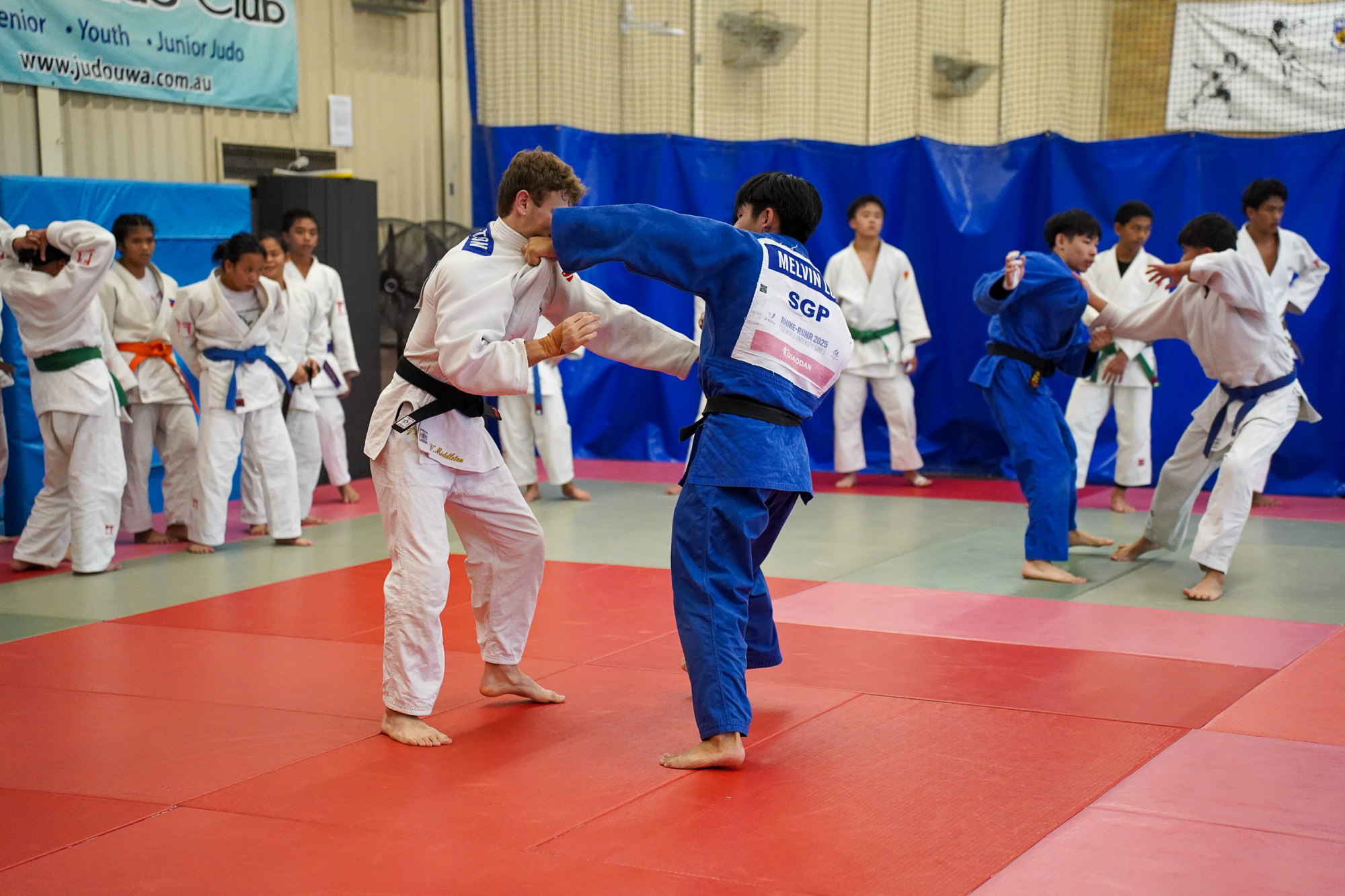
Cadet and older athletes then took over the mat for two sessions. Approximately 50 judoka attended the first session from 11:00am to 12:30pm, before around 60 returned for the final session from 2:30pm to 4:00pm. The Cadet and older sessions included guests from Vietnam, the Philippines and Singapore alongside athletes from Western Australia.
- U15 session: 9:00am–11:00am, approximately 38 participants, including four athletes from Vietnam.
- Cadet and older session one: 11:00am–12:30pm, approximately 50 participants.
- Cadet and older session two: 2:30pm–4:00pm, approximately 60 participants.
From competition to shared development
The training camp was a key reason for moving the Perth International Open shiai competition from its traditional Sunday position to Saturday. The revised format allowed athletes to compete on Saturday and then use Sunday for development, technical exchange and randori without the pressure of another competition block.
Competition shows athletes where they stand; training gives them time to understand why. The camp allowed participants to revisit the lessons of the previous day, work through technical and tactical ideas and gain further experience with athletes whose styles, gripping approaches and movement may differ from those they regularly encounter at club and state training.
This was particularly valuable for Western Australian athletes. Perth’s distance from many major national and international judo centres means that exposure to unfamiliar training partners can require considerable travel. By bringing international teams together with local athletes at UWA Judo Club, the camp made that experience accessible to a much larger section of the WA pathway.
International engagement beyond the medal table
The visiting teams had already made a major contribution to the Perth International Open, with the Philippines finishing second on the medal table and Singapore and Vietnam each claiming titles. The camp created a different kind of value by allowing athletes to move beyond the immediate contest result and engage as training partners.
That change in setting matters. Athletes who had competed against one another on Saturday were able to share the mat on Sunday, exchange techniques and build friendships. Younger athletes could see international engagement not as something distant or reserved only for senior representatives, but as a practical part of their own development in judo.
For coaches, the camp provided an opportunity to observe athletes in a less constrained environment and to see how they adapted to new partners. For the visiting teams, it added meaningful training to their time in Perth and allowed their athletes to connect with a broad cross-section of the Western Australian judo community.
These connections are important to the future of the Perth International Open. Strong relationships with clubs and teams across the Asia-Pacific region can encourage return visits, reciprocal training opportunities and a deeper international field in future years. The camp showed how competition and development activities can work together to make travelling to Perth more worthwhile.
Delivered by the Pathways and Performance Committee
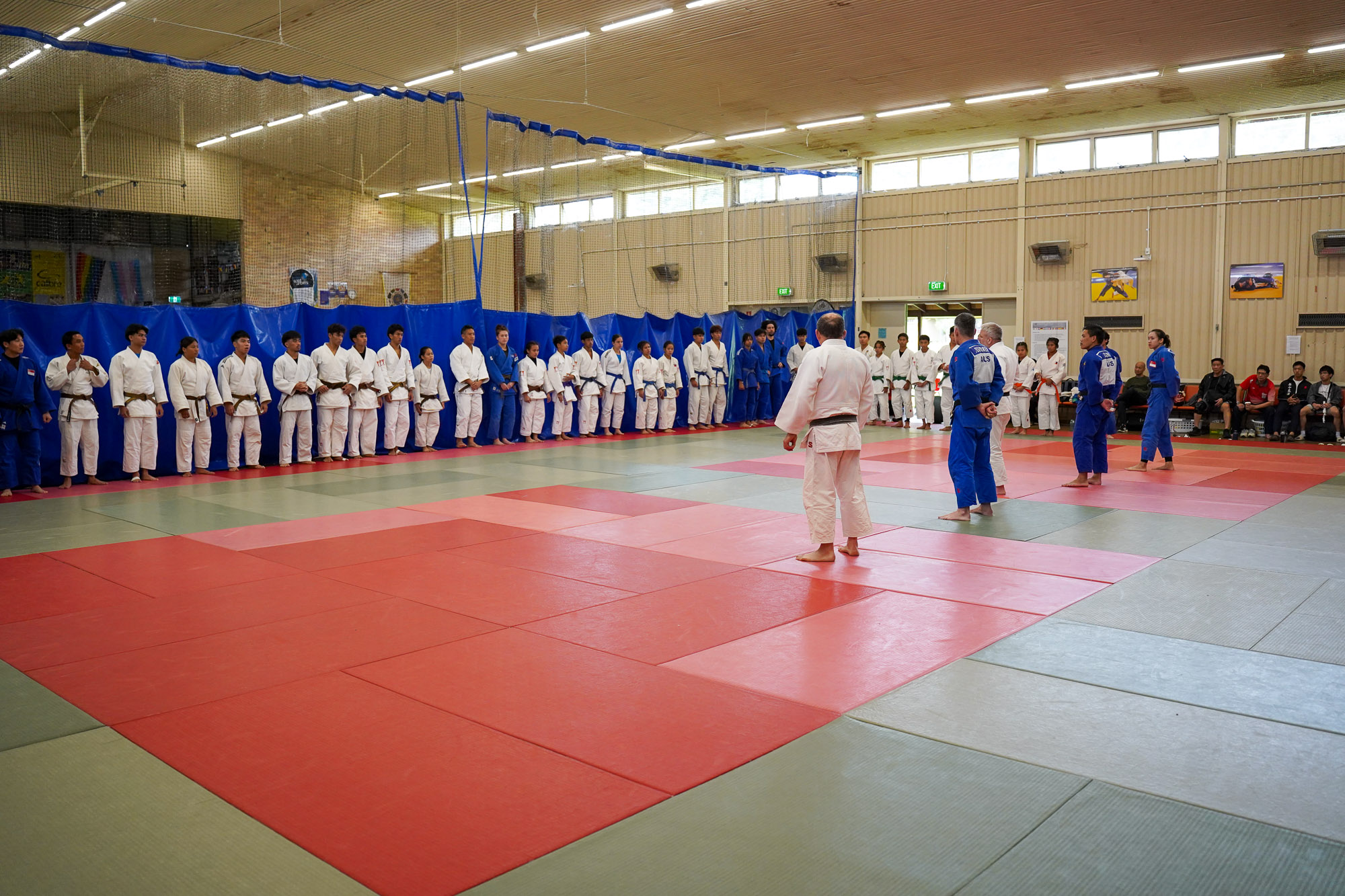
The three sessions were delivered by Judo WA’s Pathways and Performance Committee, including Kota Nagamura, Luc Tournier and Catia Maia. Their leadership ensured that athletes across the age groups were provided with purposeful, high-quality training suited to the stage of their development.
Delivering three sessions across a full day required considerable preparation and energy. The committee balanced the needs of younger athletes in the morning with the greater intensity and volume expected from Cadet, Junior and Senior judoka later in the day, while also making effective use of the diverse international and local training partners available.
Judo WA sincerely thanks Kota, Luc and Catia, together with the wider Pathways and Performance Committee, for their contribution to the camp and their ongoing work to create better development opportunities for Western Australian athletes.
A community effort
Judo WA thanks UWA Judo Club for hosting the camp and supporting the delivery of three busy sessions. We also thank the athletes, coaches, clubs, parents and supporters who returned after a full competition day and contributed to a positive and productive training environment.
Special acknowledgement is due to the volunteers and event personnel who supported the visiting delegations throughout the weekend. Transporting teams from their accommodation to UWA Judo Club, coordinating vehicles and schedules, and ensuring international guests arrived and returned safely were essential to making their participation in the camp possible.
Finally, Judo WA extends its sincere appreciation to the teams from Vietnam, the Philippines and Singapore. Their willingness to stay, train and share their judo strengthened the experience for everyone on the mat and demonstrated the spirit of friendship and mutual development at the heart of international judo.
Building on a successful first camp
The turnout across all three sessions confirmed the potential of a Sunday training camp as part of the Perth International Open weekend. It gave younger athletes international exposure, offered Cadet and older judoka a substantial volume of training, and provided visiting teams with an experience that extended well beyond their competition matches.
The success of the camp gives Judo WA a strong foundation from which to continue developing the format. By pairing a National Event Series competition with high-quality shared training, Perth can offer athletes something distinctive: the chance to compete seriously, learn collaboratively and develop lasting connections with the wider judo community.